

Selling A House With Fire-Damaged In Loveland
I buy fire damaged houses in Loveland cash as is, get a fair offer today.


We’ll Give You A No Pressure As-Is Cash Offer in 24 Hours
We’re Local, Can Close in 10 Days, Fast Cash




How To Sell A Fire Damaged House As Is In Loveland
Looking to sell your house as-is in Loveland? From Mariana Butte and Centerra to Downtown Loveland and near Boyd Lake, our easy 3-step process gets you a free cash offer fast—often in as little as 7 days. If you’re saying “sell my fire damaged house”, we make the process simple, fast, and stress-free.



Fill Out Form
Fill out our form and we’ll get started on your free offer! No obligations.



Receive Cash Offer
We’ll research your property and call you with our fair offer in cash!


You Get Paid!
Money in your bank account at closing. As quick as 7 days!
Sell Your House Fast After a Fire
Selling your fire-damaged property in Loveland is simple. Whether you’re in Mariana Butte, Centerra, Downtown Loveland, or near Boyd Lake, our hassle-free process helps you sell fast and move on with peace of mind.
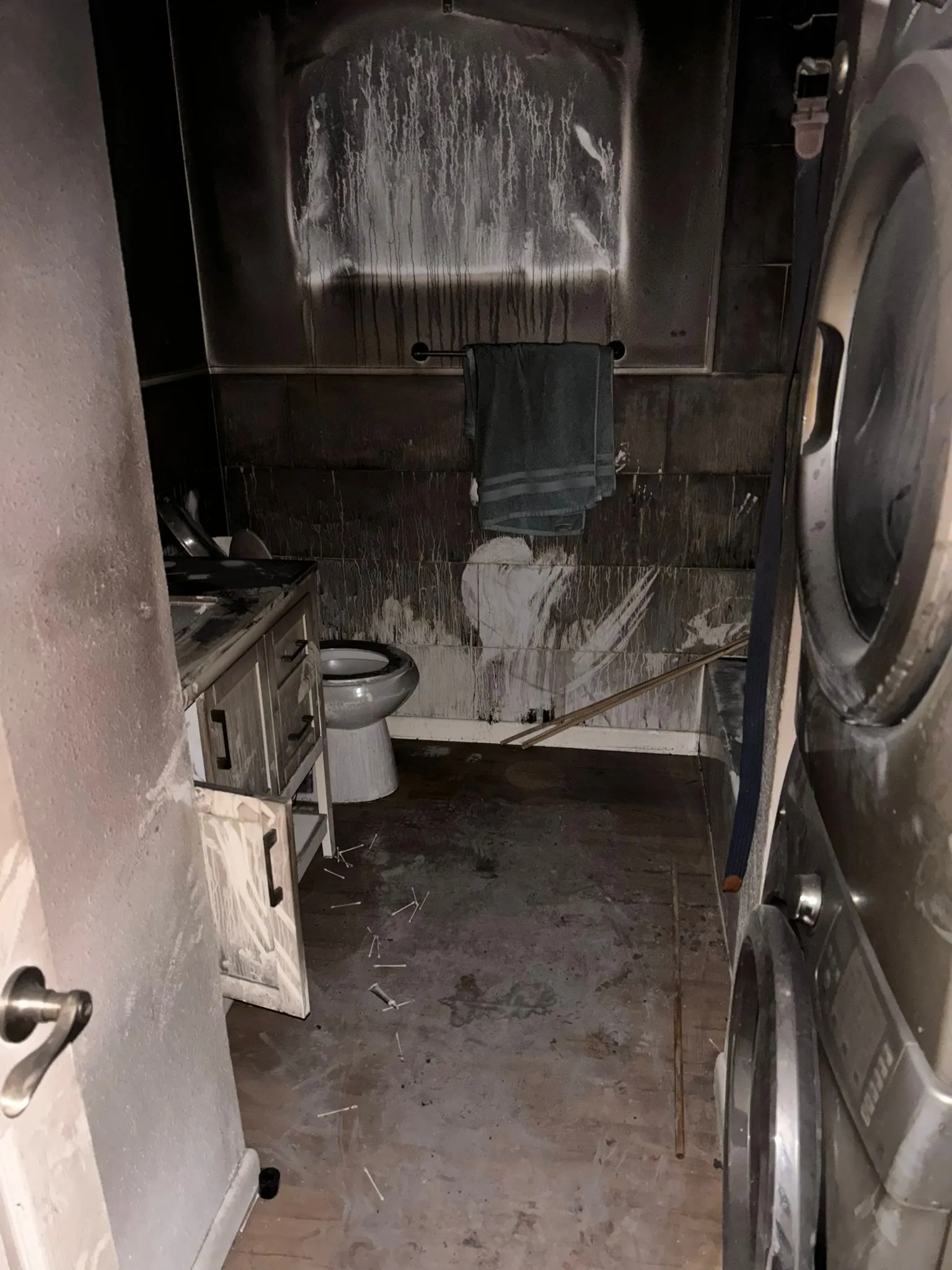
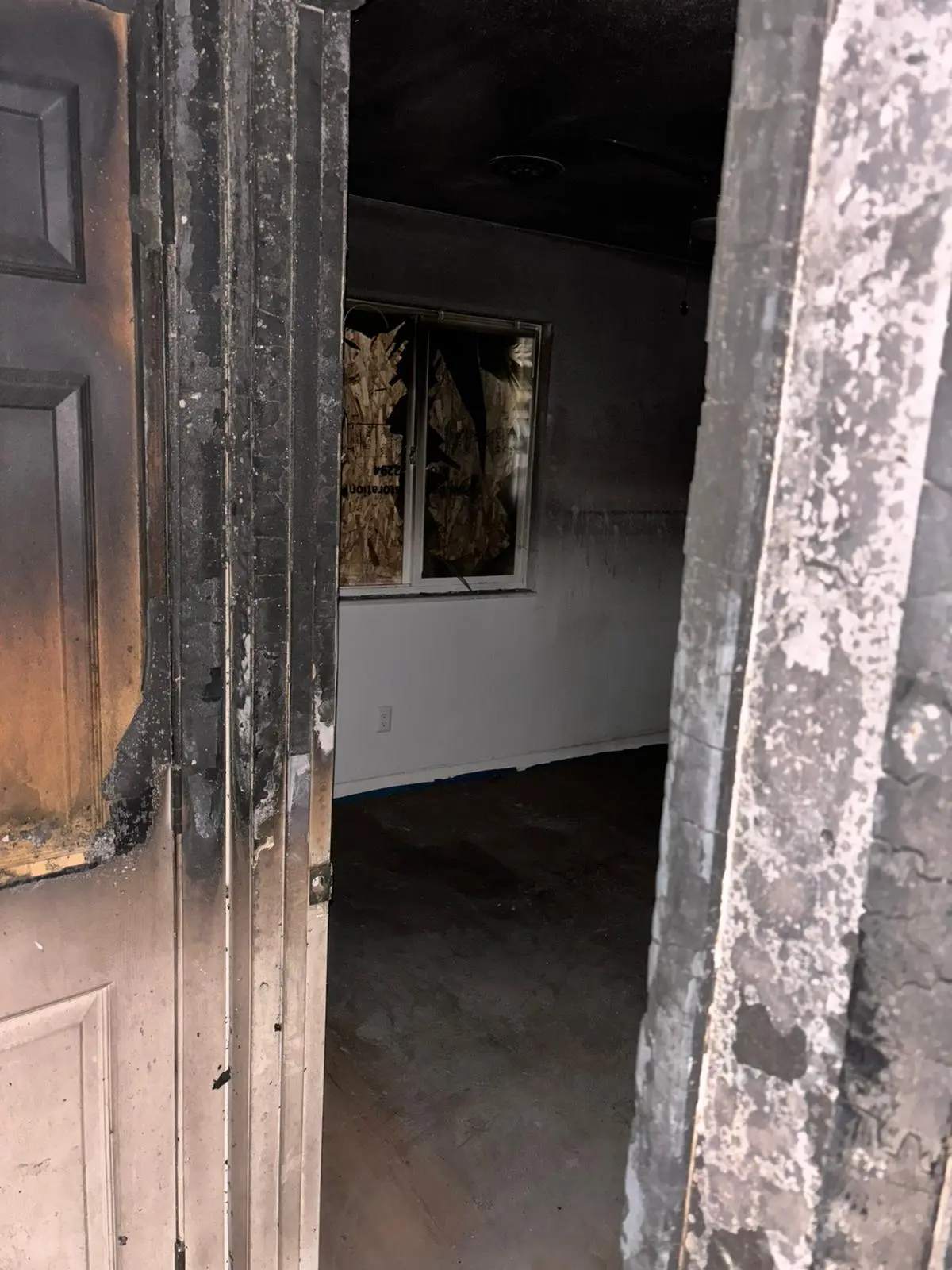
How To Sell A Burned Down Fire Damaged House In CO
- We Buy Fire Damaged Homes
- Selling a fire-damaged house in Loveland requires weighing the pros and cons of various options, such as selling as-is or repair and listing.
- It is important to consult a fire damage restoration contractor to properly assess the damage and estimate repair costs in order to accurately price a house with fire damage.
- In Loveland, it is recommended to disclose fire damage when selling your property in order avoid potential legal disputes & financial liabilities.
We Buy Fire Damaged Homes As Is
We buy homes as-is across Loveland—from Mariana Butte and Centerra to Downtown Loveland and near Boyd Lake. Skip showings, inspections, and realtor fees. Whether facing probate, financial stress, or needing a quick sale, we make selling your Loveland home fast and easy.

No Home Repairs
Selling your house as is means we take care of all the hassles!

No Agents
Skip paying for agent commission. We make home sales simple!

No Fees
Not only do we have NO agent or iBuyer fees, we cover closing costs!

Fast Closing
Sell your home in 7 days or on your timeline! We buy homes fast.

No Obligations
Take it or leave it. Our free cash offers come with no obligations.

Hassle Free
No agents. No inspection. No delays. We buy real estate as-is for cash!
Can I Sell A Fire-Damaged House In Loveland?
Although selling a fire-damaged house in Loveland is possible, it comes with its own set of challenges. The market value of the property is likely to be affected by the damage caused by the fire. This means that selling at a desirable price may be difficult. Additionally, potential buyers may be more inquisitive and cautious when considering such properties.
When selling your fire-damaged house in Loveland, you can either restore it or sell it as-is. If you decide to restore the property, you may face high repair costs and a lengthy rebuilding process. On the other hand, selling as-is can save you time and money, but may result in a lower selling price. Regardless of your decision, honesty about the damage and required repairs is critical.
Sell Fire Damaged House Loveland!
If a simple home sale that closes on your schedule sounds like what you need, come check us out. You can request a free quote for your house by filling out our form below!
We’ll Give You A No Pressure As-Is Cash Offer in 24 Hours
We’re Local, Can Close in 10 Days, Fast Cash
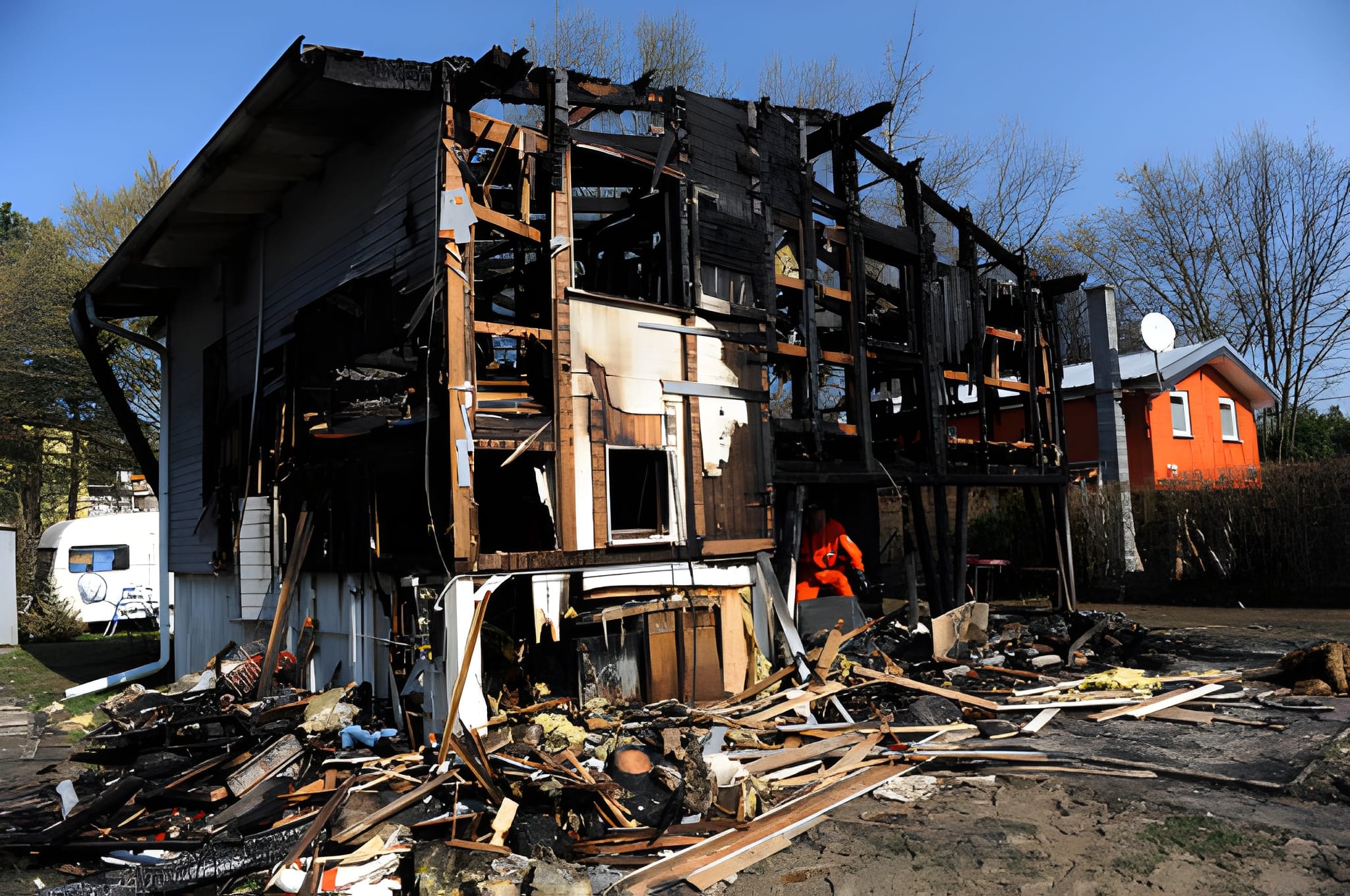
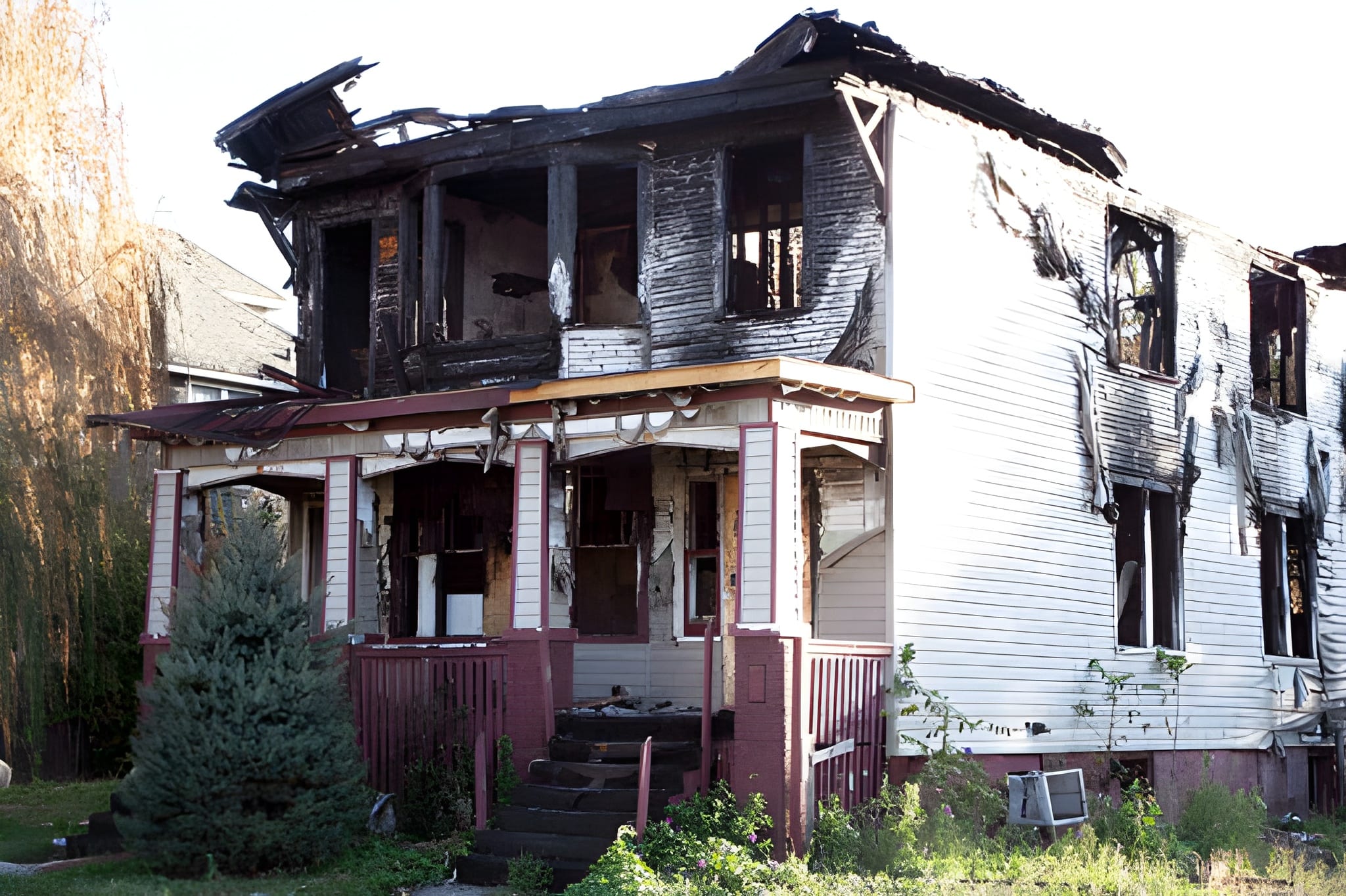
Loveland, Colorado is served by the Loveland Fire Rescue Authority (LFRA), which operates at least 10 fire stations across the city and surrounding areas.
Confirmed stations
- Station 1: 410 East 5th Street, Loveland, CO 80537 (headquarters).
- Station 2: 3070 West 29th Street, Loveland, CO 80537.
- Station 3: 900 South Wilson Avenue, Loveland, CO 80537.
- Station 5: 251 Knobcone Dr., Loveland (Knobcone area, built 1998).
- Station 10: 4301 Ronald Reagan Boulevard, Johnstown, CO 80534 (serves LFRA territory).
- Station 7: 2927 N. County Rd. 27 (Buckhorn area, opened 2020).
Fire restoration in Loveland typically runs around $4–$6.50 per square foot, with smaller jobs often totaling $2,400–$2,500.
Typical price ranges
- In Colorado, fire damage restoration commonly ranges from $9,000 to $250,000+ depending on severity and local codes like wildfire resistance in some areas.
- National and regional data show most homeowners pay roughly $4–$7 per sq. ft. for fire, smoke, and water mitigation, with an average near $4.70 per sq. ft.
Loveland-specific estimates
- A recent cost guide for fire damage restoration in Loveland, CO lists a typical project range of about $2,428–$2,494 for smaller repair jobs.
- This lower range usually reflects confined or minor fires (partial room damage, light structural work, limited contents cleaning) rather than full‑gut restorations.
Building a new construction home in Loveland, Colorado typically runs about $250–$400 per square foot for a standard to custom build, excluding land.
Per square foot ranges
- Statewide data for Colorado shows new homes generally cost $150–$600 per sq. ft., with basic builds on the low end and luxury/mountain homes much higher.
- Northern Colorado averages fall in the $250–$400 per sq. ft. range for custom homes, with semi‑custom or builder grade closer to $200–$300 per sq. ft.
What that means in Loveland
- Loveland sits in Larimer County, where new construction aligns with Northern Colorado pricing (similar to Fort Collins), typically $245–$274 per sq. ft. for mid‑range homes.
- Recent ProMatcher data lists Loveland home construction costs in a comparable range, with custom builders quoting toward the higher end for detailed projects.
The Loveland, Colorado real estate market is moderately competitive with softening prices but steady buyer demand, shifting toward buyers as inventory rises.
Current prices
- Recent data shows a median sale price around $475K–$501K, with price per square foot near $227–$269.
- Zillow’s index puts the typical Loveland home value near $492K, down about 1.9% year over year as of early 2026.
Market temperature
- Loveland is labeled “somewhat competitive” with a Redfin score of 43/100, and homes typically go pending in 40–62 days (median around 43–81 days).
- Sellers achieve about 98.7% of list price, with 44% of listings seeing price reductions and active inventory at 125–288 homes.
Trend over the past year
- Median prices are down 1.9–3.1% year over year, though some segments like single‑family homes saw upward pressure (up to 7.2% in late 2025).
- County‑level numbers in Larimer County show median prices up 1.5–2.6% YoY and median days on market around 33, so Loveland is cooling a bit faster than the broader area.
Inventory and competition
- Inventory is growing (up 13–36% YoY), giving buyers more options and leverage, with 89 closed sales in January 2026 against 125 active listings.
- Neighborhoods like Northwest Mountain View ($548K median) and Southeast Loveland ($625K) lead in pricing, while East Central Loveland ($136K) offers more affordable entry points.
Loveland, Colorado boasts a vibrant mix of outdoor adventures, public art, and cultural spots that draw visitors year-round.
Outdoor and nature highlights
- Chapungu Sculpture Park at Centerra – A 26-acre outdoor exhibit featuring 82 massive stone sculptures from Zimbabwean artists, set amid natural landscapes and walking paths.
- Boyd Lake State Park – Popular for boating, camping, fishing, wakeboarding, hiking, and biking with stunning Rocky Mountain views.
- Devil’s Backbone Open Space – Offers 12 miles of trails, wildlife viewing, and a unique rock arch formation you can hike through.
- Lake Loveland Swim Beach – Family-friendly spot for swimming, paddleboarding, and summer relaxation.
Cultural and historic sites
- Loveland Museum/Gallery – Showcases local history through period rooms, changing exhibits, educational classes, and an art gallery.
- Benson Sculpture Garden – Home to over 150 sculptures from Loveland’s renowned artist community, especially lively during the annual Sculpture in the Park event.
Events and scenic drives
- Big Thompson Canyon – Scenic drive along the river with rock formations, bighorn sheep sightings, and access to Trail Ridge Road toward Rocky Mountain National Park.
- Rocky Mountain National Park gateway – Just 30 miles west, offering peaks, trails, lakes, and alpine tundra accessible via Loveland.
Loveland, Colorado features a diverse array of neighborhoods ranging from historic downtown areas to modern suburban developments and rural outskirts.
Core and central neighborhoods
- Downtown Loveland / City Center – Walkable historic core with older homes, shops, dining, and cultural spots like the Loveland Museum; ideal for urban lifestyles.
- Centennial – Family-friendly residential area near schools and parks, with a mix of mid-century and newer single-family homes.
- McKee – Convenient neighborhood close to medical facilities, shopping, and Thompson Valley High School, popular with professionals and families.
Northwest and suburban areas
- Northwest Central Loveland – Upscale suburban enclave with larger lots, mountain views, and proximity to open spaces like Devil’s Backbone.
- Northeast Central Loveland – Affordable housing mix including townhomes and ranch-style homes, near employment hubs and I-25 access.
Emerging and planned communities
- Centerra / The Lakes at Centerra – Master-planned area with lakeside living, modern homes, retail, and amenities like the Promenade Shops; draws young families and professionals.
- Kinston (at Centerra) – Newer development with semi-custom single-family homes, townhomes, and paired homes in neighborhoods like Roundtop Park and Parkstone.
Outlying and rural neighborhoods
- Little Dam – Westside rural feel with larger properties, foothill views, hiking trails, and a peaceful retiree-friendly vibe.
- Campion – Upscale southern neighborhood known for safety, parks, top-rated schools like Campion Academy, and spacious family homes.
- Other notable areas include Horsetooth Heights, Ridgewood Hills, Registry Ridge, and Spring Creek Dam, often featuring higher-end properties with natural surroundings.
Sell My Fire-Damaged House in Loveland: Expert Tips & Solutions
Fire damage can transform a cherished Loveland home into an unexpected challenge, leaving property owners searching for clear answers about their next steps.
The path forward after fire damage involves crucial decisions about insurance claims, property assessment, and choosing the most advantageous selling strategy for your specific situation.
Loveland’s adaptive real estate market presents several viable options, from specialized investors who purchase damaged properties to traditional buyers seeking renovation opportunities.
The complexity of selling a fire-damaged house extends beyond visible structural issues to include insurance negotiations, legal requirements, and strategic pricing decisions.
By understanding the full scope of available options – from immediate safety protocols to marketing approaches for damaged properties – you can handle this challenging transition with confidence.
This detailed resource covers essential aspects of the selling process, including professional damage assessment, market value considerations, and specific Loveland legal requirements that will help you make informed decisions about your property’s future.
First Steps After Fire Damage

Immediate Safety and Documentation
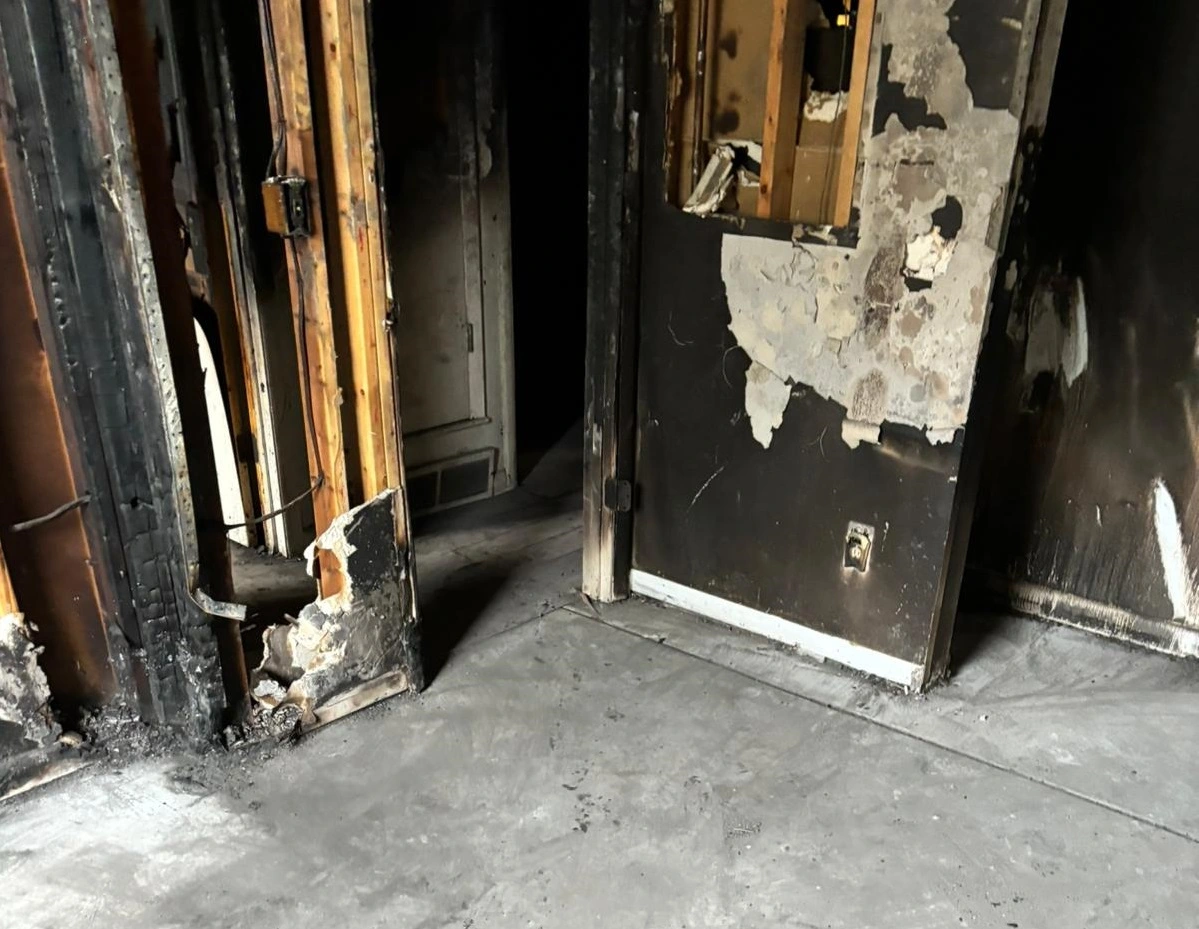
I’ve helped many homeowners through this challenging process, and I can’t stress enough how crucial those first steps are. Your safety comes first – wait for the fire department’s official clearance before entering your property.
Once it’s safe, grab your camera and start documenting everything. I recommend taking both photos and videos of all damaged areas, getting multiple angles of each room.
Create a detailed inventory list – trust me, you’ll thank yourself later when dealing with insurance claims. Don’t forget to get that official fire report from your local fire department – it’s a critical document for both insurance purposes and future property disclosure.
Insurance Claims Process
Filing Requirements
Contact your insurance provider right away – every day counts in these situations. They’ll assign an adjuster to your case who’ll evaluate the damage and determine your coverage. I always tell my clients to keep a dedicated folder (both physical and digital) with all their documentation:
• Fire department report
• Photos and videos of damage
• Detailed inventory list
• Copies of all correspondence
• Notes from every phone call or meeting

Settlement Negotiations
Working with insurance adjusters requires patience and attention to detail. If something doesn’t feel right about their assessment, speak up! From my experience, many homeowners feel intimidated during this process, but remember – you have options.
A public adjuster can be your advocate if you’re not satisfied with the insurance company’s offer. They typically help secure settlements that better reflect actual losses, though they do charge a percentage of the claim.
Professional Damage Assessment
Structural Evaluation
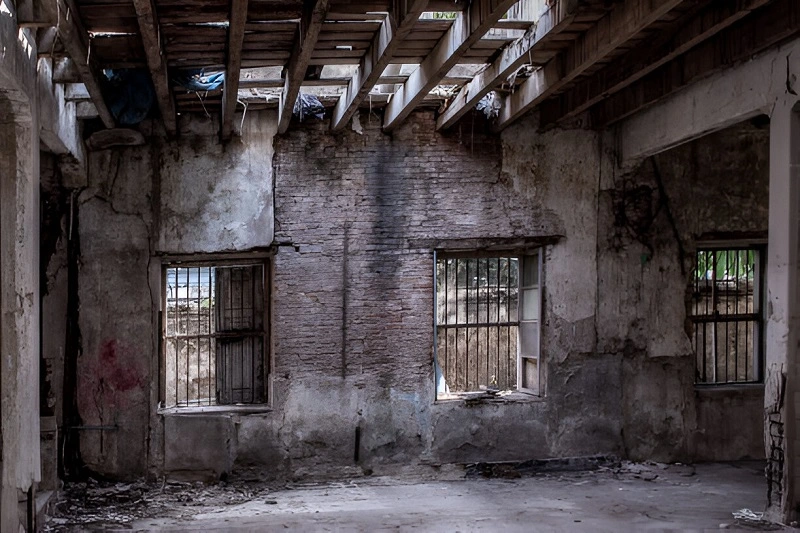
Having worked with numerous fire-damaged properties, I’ve learned that a thorough structural assessment is non-negotiable. A qualified fire damage restoration company will examine:
• Foundation integrity
• Wall stability
• Roof structure
• Support beams
• Floor joists
• Window and door frames
Smoke and Water Impact
The hidden damage from smoke and water often surprises homeowners. Smoke particles can infiltrate extensively into:
• Wall cavities
• Insulation
• HVAC systems
• Electrical components
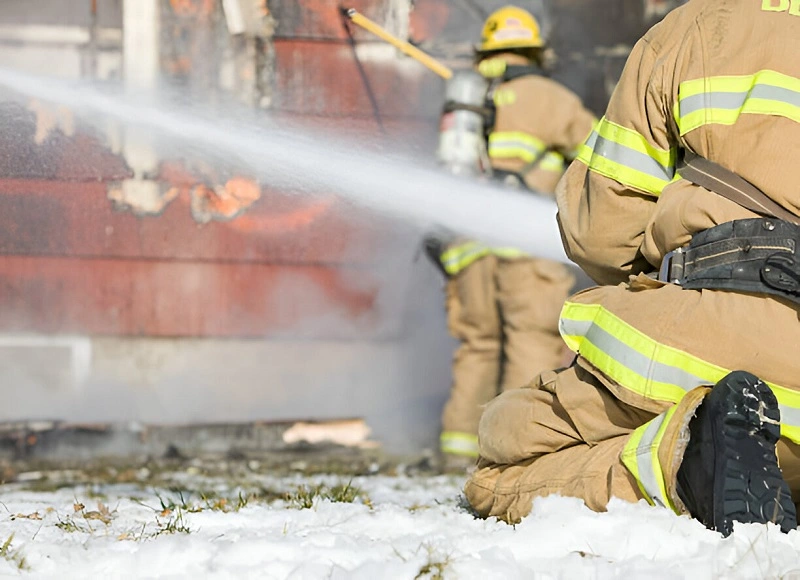
Water damage from firefighting efforts creates its own set of challenges. I’ve seen cases where delayed water damage assessment led to severe mold issues and structural deterioration. Quick action here is essential.
Systems Analysis
Your home’s essential systems need careful evaluation after a fire. A detailed examination should cover:
• Electrical wiring and circuits
• Plumbing infrastructure
• HVAC components
• Gas lines
• Security systems
• Communication wiring
Each of these systems might look fine on the surface but could harbor hidden damage that poses safety risks or requires significant repairs. Having this detailed analysis helps you make informed decisions about repairs and sets realistic expectations when you’re ready to sell.
Remember, thorough documentation and professional assessments now will save you countless headaches later in the selling process. I’ve seen how proper handling of these initial steps can significantly impact the final outcome of a fire-damaged property sale.

Your Loveland Selling Options

Selling As-Is To Cash Buyers
Cash buyers offer a streamlined solution for selling your fire-damaged house in Loveland. These property specialists understand the unique challenges of distressed homes and provide hassle-free transactions without requiring repairs. The process typically wraps up within 7-14 days, with cash buyers covering closing costs and handling all necessary paperwork.
Traditional Market With Repairs
Using your insurance settlement to restore the property before listing on the traditional market can maximize your return on investment. This path involves:
• Partnering with licensed contractors for complete restoration
• Updating the property beyond its pre-fire condition
• Working with a real estate agent familiar with restored properties
• Marketing to traditional homebuyers seeking move-in ready homes
While this approach often yields the highest sale price, you’ll need to carefully balance the renovation costs against potential returns. Successful outcomes typically require 3-6 months of dedicated effort and strategic project coordination.


Auction Opportunities
Property auctions create an exciting marketplace for fire-damaged homes in Loveland’s competitive real estate environment. The auction format brings together:
• Professional investors seeking renovation projects
• Local contractors looking for their next flip
• Real estate developers interested in property potential
• Cash buyers ready to make immediate purchases
Auctions particularly shine in desirable Loveland neighborhoods, where competitive bidding can drive prices higher than expected. The entire process usually concludes within 30-45 days, offering a faster alternative to traditional listings.
Real Estate Investor Sales
Local real estate investors bring valuable expertise to fire-damaged property transactions in Loveland. These experienced buyers offer several advantages:
• Quick, accurate property evaluations
• Fair pricing based on current condition
• Access to established contractor networks
• Flexible closing timelines
• Reduced paperwork and complications
Having worked with numerous investors, I’ve found they often provide the sweet spot between quick sales and fair market value. Their thorough understanding of renovation costs and local market conditions enables them to make solid offers that reflect your property’s true potential.
Each selling option presents unique benefits for different situations. Your ideal choice depends on key factors like urgency, financial resources, and damage extent. Take time to evaluate your specific needs against these options, considering both short-term convenience and long-term financial impact.

Property Value Considerations

Market Value Assessment Methods
Professional appraisers with expertise in fire-damaged properties offer the most reliable value assessments. I’ve found that these specialists examine three critical elements: pre-fire value, damage extent, and potential renovation costs.
A Comparative Market Analysis (CMA) adds another valuable layer of insight by focusing on recently sold properties with similar fire damage in your area.
Key assessment components include:
• Detailed structural evaluation
• Documentation of salvageable elements
• Analysis of comparable damaged property sales
• Estimation of post-renovation market value
Impact of Damage on Price
Fire damage affects property value in ways that might surprise you. While visible burns obviously impact price, smoke damage can significantly decrease value even in areas untouched by flames. From my experience working with damaged properties, structural issues typically create the biggest value reduction.
Value impact factors:
• Severity and spread of smoke damage
• Extent of structural compromise
• Water damage from firefighting efforts
• Required documentation from licensed contractors

Location-Specific Factors in Loveland
Loveland’s distinctive real estate environment shapes the value of fire-damaged properties in interesting ways. I’ve noticed that high-demand neighborhoods often maintain stronger property values despite significant damage. Local building codes and restoration requirements vary by municipality, directly influencing renovation costs and market value.
Loveland-specific considerations:
• Municipal building code requirements
• Proximity to recent wildfire zones
• Local insurance cost variations
• Market demand in specific neighborhoods
Price Setting Strategies
Setting the right price for a fire-damaged property requires a strategic mix of market awareness and practical considerations. Start with this simple formula: potential post-renovation value minus estimated repair costs. Then factor in a reasonable discount that attracts investors while protecting your interests.
Effective pricing tactics:
• Calculate current market value using recent comparable sales
• Deduct estimated renovation costs
• Apply an appropriate investor discount
• Adjust for local market conditions
Working with local professionals who regularly handle fire-damaged properties has taught me that successful pricing depends on balancing objectivity with market reality. The most effective approach combines thorough documentation, realistic renovation estimates, and careful consideration of your local market’s appetite for restoration projects.

Legal Requirements In Loveland

Seller Disclosure Laws
Selling a fire-damaged property in Loveland comes with specific legal obligations that protect both buyers and sellers. I’ve helped numerous homeowners explore these requirements, and the key is absolute transparency.
You must disclose all known material defects, including the full extent of fire damage, any structural issues, and both completed and pending repairs. While highlighting property issues might feel uncomfortable, I’ve seen how proper disclosure actually builds buyer confidence and protects sellers from potential lawsuits down the road.
Required Documentation
A well-organized documentation package is your best friend when selling a fire-damaged house. Here’s what you’ll need:
• Fire incident report from responding authorities
• All property inspection reports
• Structural integrity assessments
• Detailed repair records and estimates
• Insurance claim documentation
• Contractor agreements and warranties
Keep digital and physical copies of every communication with contractors, inspectors, and insurance representatives. These records often become essential during price negotiations and help validate your asking price.


Permit Compliance
Let me share something I’ve learned from experience: permit compliance can make or break your sale in Loveland. Here’s what you need to know:
• Verify all repair work has proper permits
• Obtain necessary inspections for completed work
• Disclose any pre-fire unpermitted modifications
• Check local municipality requirements for fire-damaged properties
• Secure certificates of occupancy if required after repairs
Many Loveland cities have implemented specific regulations for fire-damaged properties, including mandatory safety inspections before sale. Working with a knowledgeable local contractor can help ensure you meet all requirements.
Insurance Documentation
Your insurance paperwork tells the crucial story of your property’s recovery journey. Essential insurance records include:
• Initial claim filing documents
• Adjuster’s detailed reports
• Settlement statements
• Proof of repair fund allocation
• Current insurability status
Buyers and their lenders particularly value clear insurance documentation. I’ve seen many sales accelerate when sellers maintain organized insurance records, as it helps buyers understand the property’s history and future insurability.
These legal requirements create a framework for transparent, successful transactions. By maintaining detailed records and following proper protocols, you’ll position yourself for a smoother selling process. Remember, most successful sales of fire-damaged properties happen when sellers embrace these requirements rather than view them as obstacles.

Marketing Your Fire-Damaged Property

Target Buyer Identification
I’ve found that marketing fire-damaged properties requires a laser-focused approach to finding the right buyers. From my experience working with distressed properties, real estate investors and renovation specialists are your golden ticket.
These buyers bring both the expertise and financial resources needed to tackle extensive repairs. They’re often looking for properties they can transform into profitable investments, whether through flipping or creating rental income.
Here’s who typically shows the most interest:
• Cash buyers ready to close quickly
• Property rehabilitation companies
• Professional house flippers
• Real estate investment groups
• Experienced contractors looking to expand their portfolio
Property Presentation Strategies
Let’s talk about showcasing your property’s hidden gems rather than focusing on the fire damage. Think of your property like a diamond in the rough – it’s all about highlighting its potential. I’ve seen amazing transformations start with properties that seemed beyond repair.
Key presentation elements to emphasize:
• Prime location advantages
• Generous lot dimensions
• Solid structural foundation
• Undamaged sections of the home
• Unique architectural features worth preserving
Create an in-depth property information package that includes original floor plans, detailed specifications, and clear documentation of salvageable features. This approach helps buyers visualize the property’s transformation potential.


Digital Marketing Approaches
The digital environment offers powerful tools for connecting with your ideal buyers. I’ve successfully used various online platforms to reach renovation enthusiasts and investors who specifically seek out properties like yours.
Essential digital marketing elements:
• High-resolution photos showing honest property conditions
• 3D virtual tours for remote property assessment
• Digital renovation renderings showing potential outcomes
• Targeted social media campaigns
• Listings on investor-focused websites and platforms
Negotiation Tactics
Negotiating fire-damaged property sales requires a unique strategy. Through my experience, I’ve learned that success comes from being well-prepared with concrete data and maintaining realistic expectations.
Critical negotiation components:
• Detailed damage assessment reports
• Professional repair cost estimates
• Recent comparable sales data
• Clear documentation of any insurance claims
• Flexible terms that appeal to investors
Remember to stay open to creative solutions during negotiations. Investors typically factor in substantial renovation costs and risks, which naturally affects their offering price. Having thorough documentation helps you justify your asking price while showing you understand the property’s current market position.
Marketing fire-damaged properties successfully comes down to connecting with the right buyers and presenting your property’s potential clearly and honestly.
While fire damage presents challenges, it also creates opportunities for buyers who recognize the property’s hidden value. Focus your efforts on reaching motivated investors and highlighting the features that make your property a worthwhile investment opportunity.

Cost Analysis And Financial Planning

Repair Cost Evaluation
I’ve learned through years of experience that understanding repair costs is the foundation of smart decision-making for fire-damaged properties. A professional assessment from a reputable fire damage restoration company will break down your costs into three key areas:
• Structural repairs and rebuilding
• Smoke damage remediation
• Code-compliance upgrades
Here’s a pro tip: Always add a 20-30% buffer to your initial estimates. I’ve seen countless cases where hidden damage surfaces during repairs, and having this financial cushion can save you from serious stress down the road.
Return On Investment Calculations
Negotiating fire-damaged property sales requires Let me share something crucial I’ve discovered about fire-damaged property repairs: the highest repair cost doesn’t always guarantee the best return. Your ROI analysis should focus on:
• Current local market conditions
• Recent sales of similar properties (both damaged and renovated)
• Your property’s potential market value after restoration
• Total repair investment needed
Sometimes, the numbers tell an unexpected story. In neighborhoods where market values are stagnant, selling as-is to an investor might put more money in your pocket than investing in extensive repairs.


Tax Implications
The tax puzzle of selling a fire-damaged house can be surprisingly complex. I always recommend consulting a qualified tax professional to steer you through:
• Insurance settlement taxation
• Casualty loss deductions
• Capital gains considerations
• 1031 exchange opportunities
Each of these elements can significantly impact your bottom line, and proper planning often reveals tax-saving opportunities you might otherwise miss.
Insurance Settlement Usage
Smart management of your insurance settlement can make or break your financial outcome. Based on my experience helping property owners, here’s how to maximize your insurance funds:
• Document everything carefully
• Create a strategic allocation plan for immediate repairs
• Use settlement details as a strategic tool in negotiations with buyers
• Consider setting aside funds for unexpected issues
Being transparent about insurance claims during the sales process builds trust with potential buyers and often leads to smoother transactions. I’ve found that working with financial advisors who specialize in damaged properties can provide invaluable insights for your specific situation.
Remember, every decision about your insurance settlement should align with your overall financial strategy, whether you’re planning to repair, sell as-is, or pursue a hybrid approach.

Frequently Asked Questions
The selling timeline varies significantly based on your chosen path. Cash buyers and real estate investors typically close within 7-14 days, offering the quickest resolution.
Traditional market sales of fire-damaged homes usually take 60-90 days, though this can extend longer depending on local market conditions, damage severity, and whether you complete repairs before listing.
The most motivated buyers for fire-damaged properties fall into three main categories:
• Real estate investors with renovation experience
• Professional renovation specialists
• Cash buying companies with immediate purchasing power
These buyers bring valuable experience handling damaged properties, readily available funds, and established contractor networks. They typically seek below-market purchases they can transform into profitable investments through strategic renovations.
Your best choice depends on three key factors: available funds, time constraints, and damage extent. Selling as-is to cash buyers or investors provides a quick, straightforward solution without repair investments.
However, if you have solid insurance coverage and flexible timing, completing repairs might maximize your return through traditional market sales. I’ve found it’s worth getting multiple professional assessments to compare potential returns against repair costs before making your decision.
Establishing a realistic price requires a multi-step approach:
• Obtain a professional appraisal from an expert in damaged property valuation
• Research recent sales of fire-damaged homes in your local market
• Get detailed repair estimates from licensed restoration companies
• Consult multiple real estate investors for their valuations
Your property’s final value will reflect the damage severity, location desirability, and current market trends in your Aurora neighborhood.
Loveland law requires detailed disclosure of all material defects, including:
• Complete details of fire damage and its extent
• Documentation of completed repairs and outstanding issues
• Insurance claim history and outcomes
• Permits obtained for repair work
• Structural assessment reports
• Safety inspection results
Keep detailed records from fire investigators, insurance adjusters, and contractors who’ve evaluated the property. Full transparency protects you from potential legal issues and builds trust with potential buyers.
What You Should Do After A House Fire In Loveland
In the aftermath of a house fire in Loveland, immediate actions are crucial to address the situation. Here are the steps you should take:
Quick Checklist
1. Contact the fire department for a report.
2. Speak with your insurance company to assess any damage.
3. File an insurance claim.
4. Adhere to legal disclosure requirements when selling a fire-damaged house in Loveland.
Depending on your decision to repair or sell the fire-damaged house, you will need to:
1. Assess the damage
2. Contact insurance
3. Obtain multiple quotes
4. Budget for unexpected expenses
5. Work with insurance to get your payout
6. Complete repairs
7. List on the market
Collaborating with an adjuster can assist in evaluating damage and repairs and guarantee an equitable settlement when submitting a fire insurance claim.
Sell Your House After A Fire For Cash in Loveland Today
I’ve helped numerous Loveland homeowners work through the challenges of selling fire-damaged properties, and I can tell you firsthand – while it may seem challenging, there are several promising paths to a successful sale. Let me share what I’ve learned about the most effective approaches:
• Quick Sale Option: Working with cash buyers offers a streamlined, hassle-free transaction that can close within days
• Traditional Market Route: Investing in strategic repairs can maximize your property’s value for a conventional sale
• Hybrid Approach: Some sellers choose partial repairs combined with price adjustments for optimal results
Here’s something encouraging I’ve noticed in my years of Loveland real estate experience: There’s actually a robust market of investors and renovation specialists actively seeking fire-damaged properties. These buyers have the expertise and resources to tackle even severe damage, often offering fair prices for properties in any condition.
Your success hinges on three critical elements:
1. Professional damage assessment
2. Detailed documentation of the property’s condition
3. Complete disclosure of all fire-related issues
Take action today – you’ve got options! Connect with local fire damage assessors, reputable cash buyers, or real estate professionals who specialize in distressed properties. I’ve seen countless homeowners transform these challenging situations into positive outcomes. With the right strategy and support team, you can too.
Sell Fire Damaged House Loveland!
If a simple home sale that closes on your schedule sounds like what you need, come check us out. You can request a free quote for your house by filling out our form below!
We’ll Give You A No Pressure As-Is Cash Offer in 24 Hours
We’re Local, Can Close in 10 Days, Fast Cash